

About Us
Standing with Rare Disease Patients, Toward a More Hopeful Tomorrow
By establishing an integrated network of medical, educational, research, and support services, the Foundation has sought to ease the path of life for patients and their families, while also promoting public awareness of rare diseases.
“Our belief is that no patient should be deprived of the right to access treatment, support, and hope simply because their condition is rare.”
History of the Rare Diseases Foundation of Iran
The Rare Diseases Foundation of Iran is a national and international non-profit organization. It was established in 2008 in response to a significant gap in Iran’s healthcare system and the absence of a dedicated institution to support rare disease patients, through the efforts of Dr. Ali Davoudian.
The term “rare” or “orphan” refers to diseases that are generally of genetic origin and affect approximately 1 to 5 individuals per 10,000 people.
Statistical estimates indicate that more than 300 million people worldwide are living with rare diseases.
EURORDIS (the European Organization for Rare Diseases), a non-profit alliance, estimates that there are between 5,000 and 7,000 rare diseases. To date, diagnostic data are available for approximately 3,500 of these conditions, while only about 400 rare diseases have approved treatments.
International Counterparts of the Foundation
Based on his personal research and a clear recognition of the urgent need for a formal (legal) institution to provide essential services to rare disease patients in Iran, Dr. Ali Davoudian resolved to establish this foundation.
In 2007, after encountering a child with Epidermolysis Bullosa (EB)—known as “Butterfly Disease”—and witnessing the severe and unusual skin wounds caused by the condition, he was deeply affected. This experience strengthened his determination to found the Rare Diseases Foundation of Iran.
The tireless efforts of Dr. Davoudian during his lifetime significantly contributed to raising awareness of rare diseases at both national and international levels. Following his untimely passing on October 28, 2017, Eng. Yaser Davoudian was appointed as Chairman of the Board, and Dr. Hamidreza Edraki assumed the role of Chief Executive Officer, continuing the mission of this non-profit foundation.
The Role of the Rare Diseases Foundation in Strengthening the National Healthcare System
Through a comprehensive and patient-centered approach, the Rare Diseases Foundation of Iran strives to address existing gaps in the diagnosis, treatment, and support of individuals living with rare diseases across the country.
Identification and Registration of Rare Disease Patients
Collecting and maintaining patient data through specialized registries to facilitate access to healthcare services, support programs, and research initiatives.
Specialized Counseling and Guidance
Providing medical, genetic, and supportive counseling services to patients and their families to help them better manage their conditions and improve their overall well-being.
Patient Support and Empowerment
Developing educational, cultural, and support programs aimed at increasing awareness, reducing the challenges faced by patients, and enhancing their social participation and quality of life.
Latest News
Follow the latest news, scientific achievements, support programs, conferences, and announcements related to rare diseases in this section, and stay informed about the most recent developments of the Rare Diseases Foundation of Iran and the rare disease community in the country.

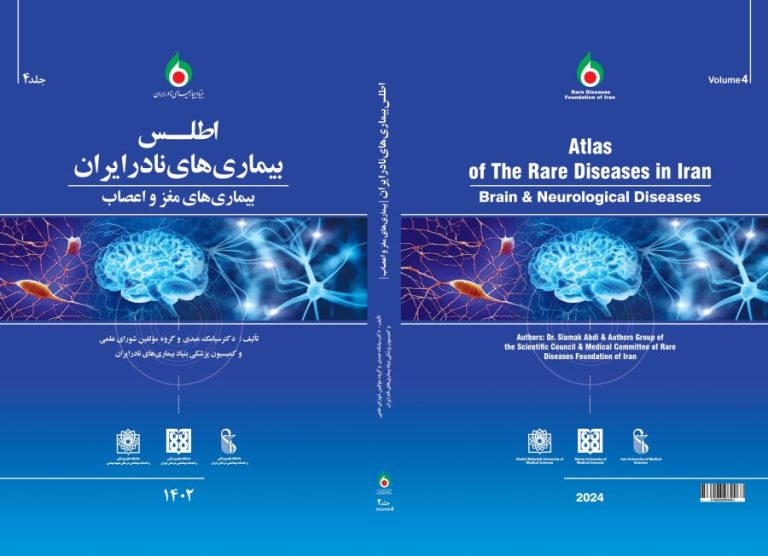
The 4TH volume of the Atlas
The 4TH volume of the Atlas of rare diseases of Iran has been published. The…
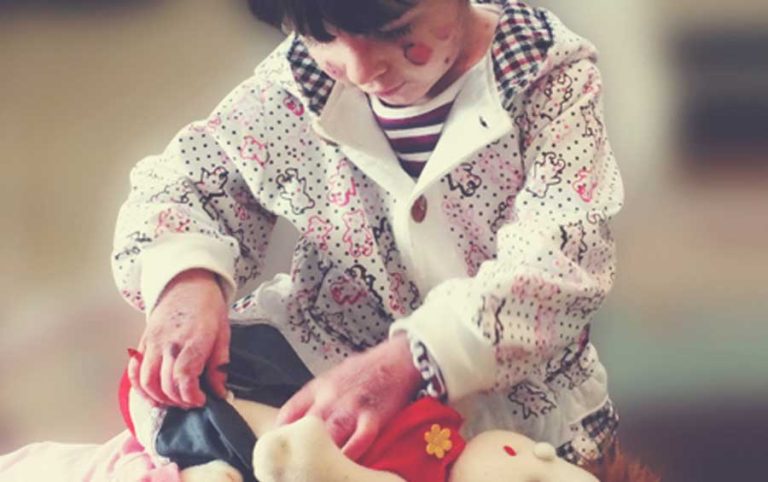
Children suffering from EB
Enter by a smile. This is the first thing you see on the door…
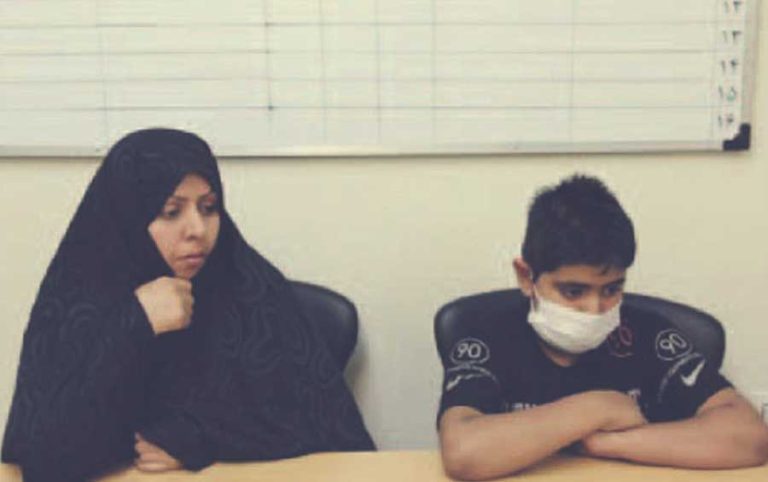
Helping doesn’t depend on the number of help wanted
Henoch-Schonlein Purpura (HSP) is kind of rare disease which is less identified and unfortunately,…
By registering with SABNA, be the voice of rare disease patients.
Join the SABNA system today and accompany us in our mission to improve the quality of life for rare disease patients.
